
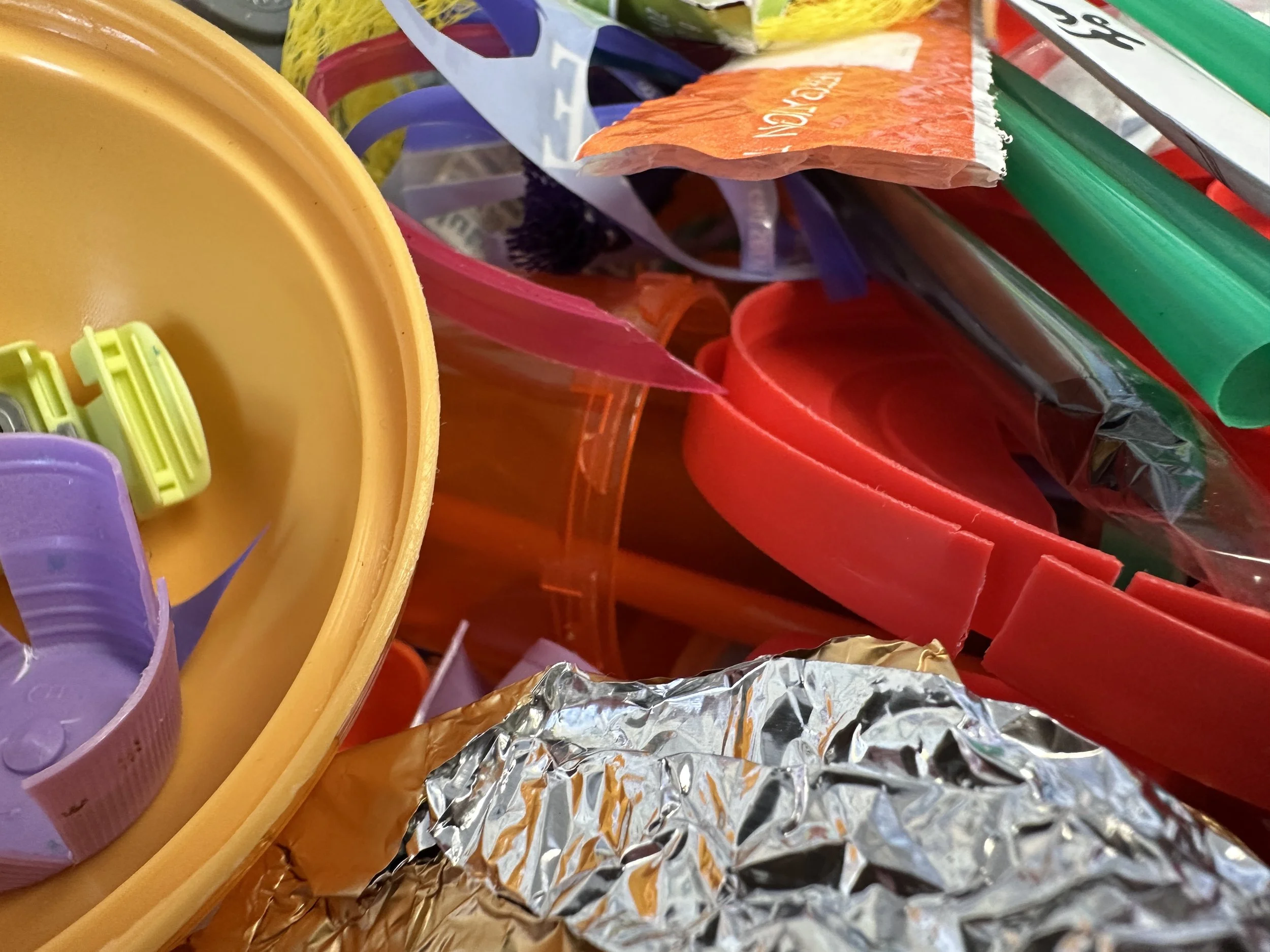
Here's what shifts after a session like this:
You stop seeing waste as waste.
The thing you were about to throw away becomes the thing you're most excited to work with. That shift is quiet at first, and then it's everywhere — at the grocery store, in your kitchen, on a walk. You start collecting differently. You start noticing differently. You start thinking like an artist who makes work that means something beyond the canvas.
You leave with a direction, not just inspiration.
Natalya doesn't send you away with a mood board and a wish list. You leave with a concrete, personalized roadmap — the specific materials most aligned with your aesthetic, the techniques most suited to where you want to go, and one real experiment you can begin that week. Not someday. That week.
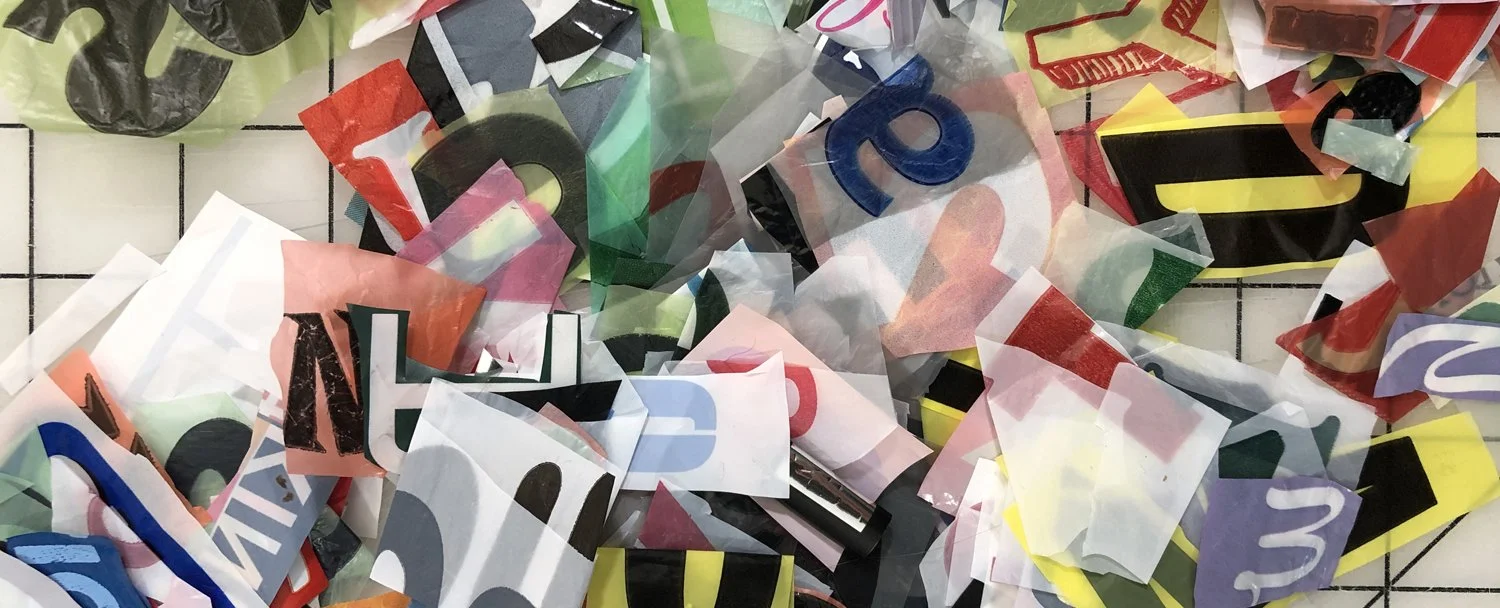
You find the connection between your art and your values.
For a lot of artists, there's a gap between what they believe about the environment and what they actually make. This session closes that gap. Your art becomes an act of environmental stewardship — not as a concept, but as a daily practice.
You gain a thought partner who has been doing this for years.
Natalya has spent years developing techniques for working with plastic, fabric, paper, and everyday detritus as genuine artistic material. Her resources are deep, her enthusiasm is contagious, and her ability to see exactly what an artist needs — and hand it to them — is what her community talks about again and again.

You stop waiting for the right moment and start making.
The number one thing that holds artists back from incorporating repurposed materials isn't skill or knowledge. It's not knowing where to begin. This session gives you that beginning — clearly, specifically, and with Natalya's full attention on making sure it actually fits your work.
STEP ONE
Send Natalya an email with answers to the following questions:
How do you currently think about waste materials — packaging, scraps, old clothing, plastic containers?
How often do you intentionally use a discarded or repurposed material in a finished artwork?
When you look at everyday objects — a plastic bottle, a fabric scrap, a rusted lid — what do you see?
How connected are your art-making choices to environmental values?
How would you describe your repurposing knowledge right now?
What best describes your current artistic practice?
What's your relationship with experimentation and risk in your work?
What are you most hoping to get from a 1:1 session with me?
STEP TWO:
Once your answers are received, you’ll be able to set a time for your RePRO Brainstorm Session.